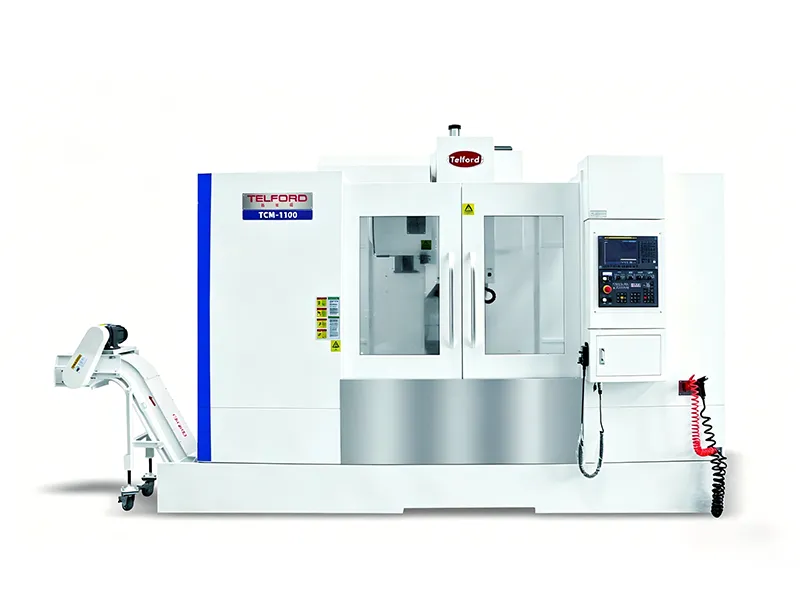
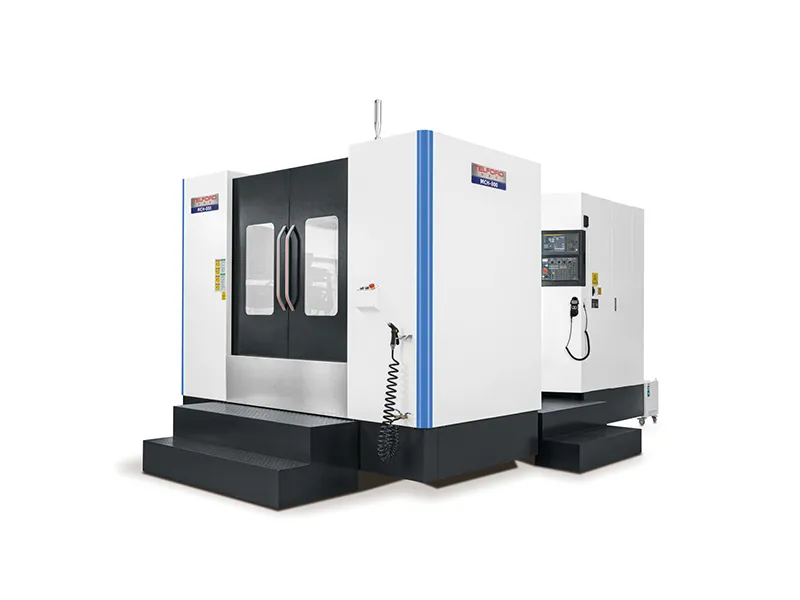
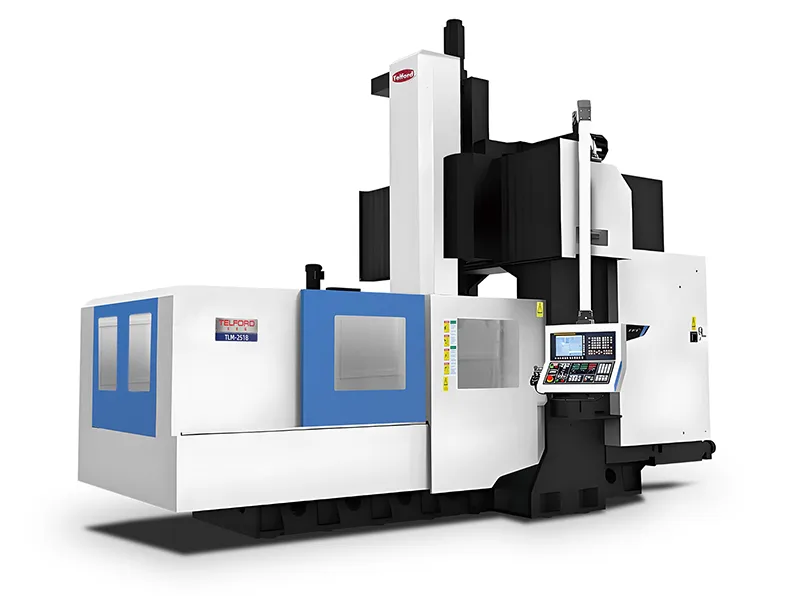
In the global marketplace, the production of complex small components—from valve bodies and heat sinks to intricate aerospace fasteners—relies heavily on the stability and performance of vertical machining centers (VMCs). While many manufacturers fixate on spindle speed as a key metric, the true mark of a high-performance VMC lies in its structural integrity and application versatility, two factors that directly determine production efficiency, product quality, and bottom-line profitability.
Beyond Spindle Speed: The Core of High-Performance VMCs
A top-tier CNC vertical machining center must strike a delicate balance between high-torque capabilities and high-speed precision—two attributes that are non-negotiable for small-part production. For industries working with aluminum alloys, specialized composites, or other lightweight yet durable materials, a VMC’s ability to handle high-speed milling while delivering a superior surface finish is a game-changer. This eliminates the need for secondary polishing or finishing processes, streamlining production and reducing labor costs.This “one-hit” machining philosophy is what differentiates profitable operations from those burdened by high scrap rates and inefficient workflows. By completing complex machining tasks in a single setup, manufacturers minimize errors, reduce production time, and ensure consistent quality across every part—critical for sectors like aerospace and precision hardware, where even minor deviations can render components unusable.
Customization & Workflow: Tailoring VMCs to Small-Part Demands
In specialized fields like mold making and precision hardware production, the value of a VMC extends beyond its core performance—it lies in its adaptability. Much like a well-calibrated machine’s internal organization, a streamlined workflow (analogous to a “Silo” structure in website architecture) relies on equipment that can be tailored to specific project needs.Choosing a VMC with customizable table sizes and flexible Automatic Tool Changer (ATC) configurations allows businesses to align their equipment with unique production requirements. Whether the task calls for a high-speed spindle for delicate engraving on small components or a heavy-duty bed for rugged milling of durable parts, the end goal remains consistent: achieving maximum output with minimal human intervention.In today’s competitive global marketplace, optimizing small-part production with advanced CNC vertical machining centers is not just an option—it’s a necessity. By prioritizing structural stability, versatility, and customization, manufacturers can elevate precision at scale, reduce inefficiencies, and maintain a competitive edge in industries where quality and speed are equally critical.