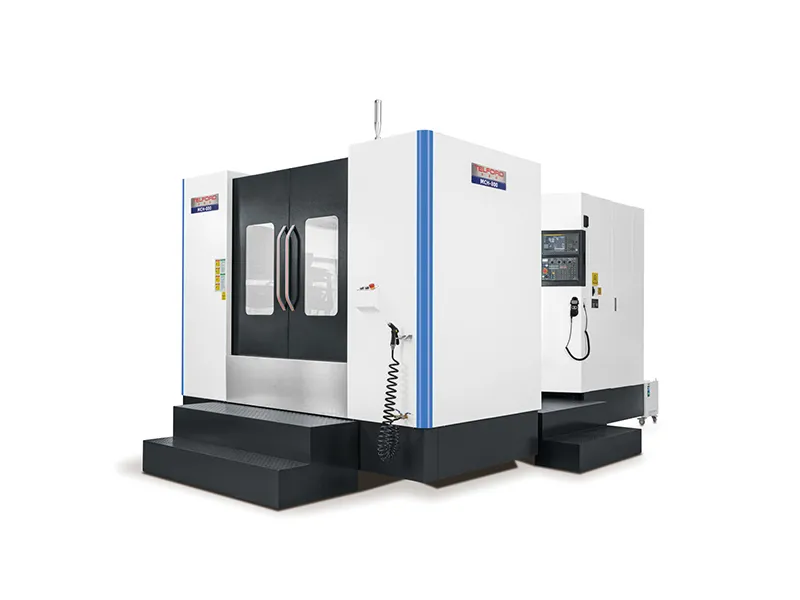
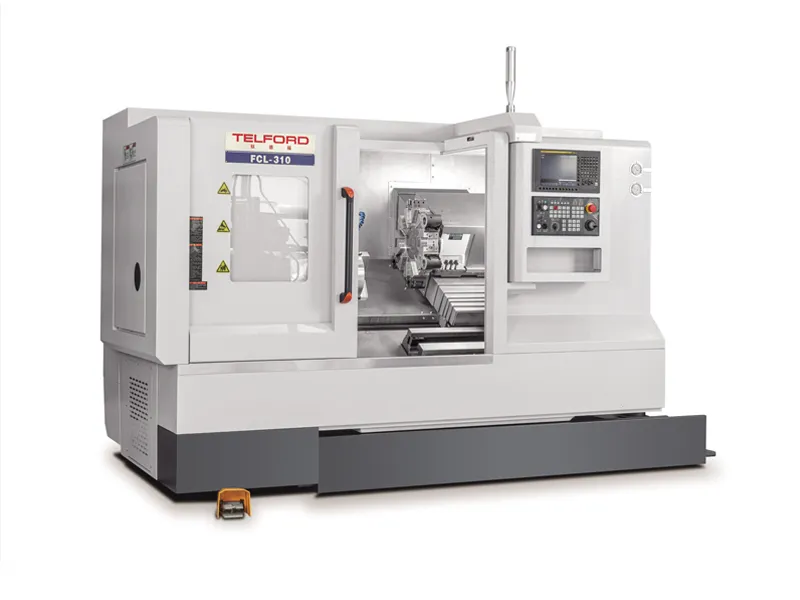
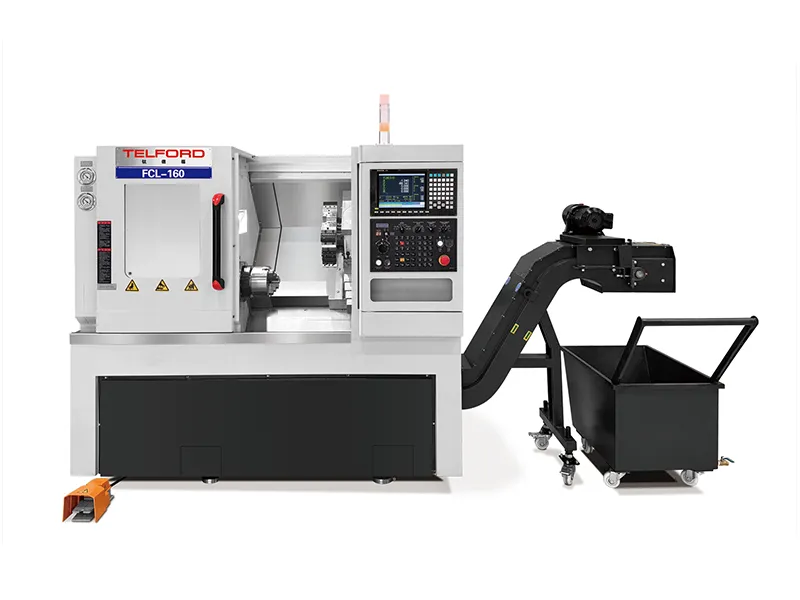
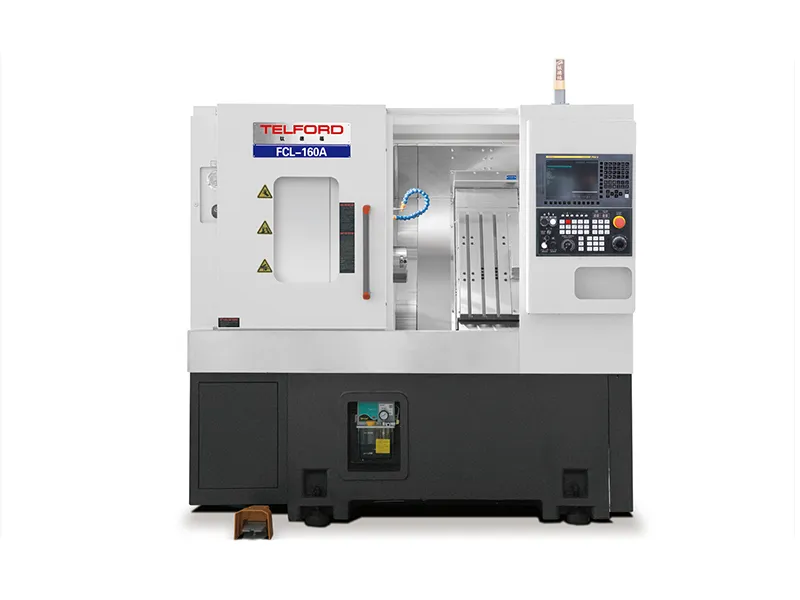
In the current global manufacturing landscape, the difference between a seamless production cycle and a bottlenecked operation often boils down to mere seconds. As industries like 3C electronics, automotive components, and medical device manufacturing demand increasingly tighter tolerances and higher production volumes, the evolution of CNC Drilling and Tapping Centers has become a key focus for shop floor optimization, directly impacting a company’s competitiveness.
Bridging the Gap: From Trade-Offs to All-in-One Efficiency
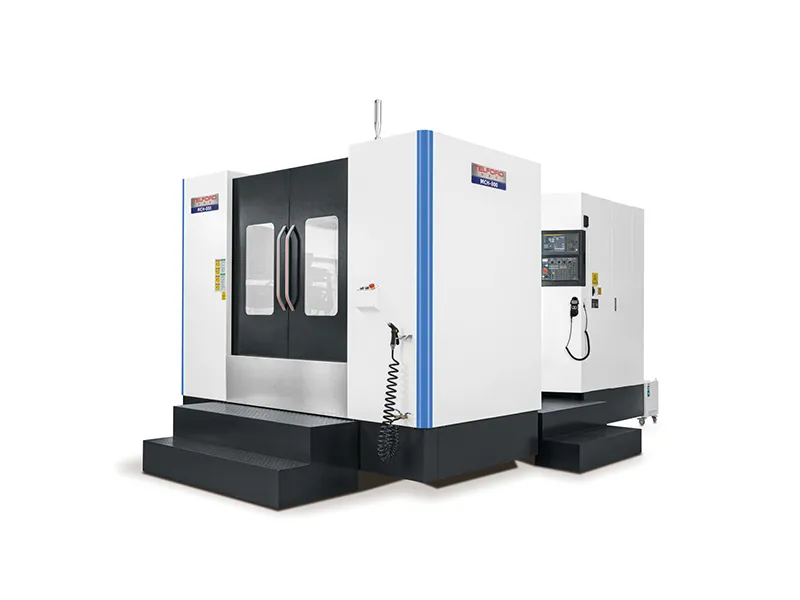
Historically, manufacturers faced a tough trade-off: choosing between the raw power of heavy machining centers and the agility of lighter, more flexible equipment. Modern CNC technology has eliminated this dilemma, with the latest generation of high-speed CNC Drilling and Tapping Centers designed to minimize “non-cutting time”—the silent efficiency killer in production. Boasting rapid traverse rates exceeding 48m/min and tool change cycles under two seconds, these machines maximize spindle engagement with workpieces, turning every minute of the shift into productive output.
For B2B enterprises, the value of these machines extends far beyond hardware—it lies in the “Cycle Time Advantage” they deliver. Integrated with advanced thermal compensation and high-rigidity structures, these centers maintain micron-level accuracy even during 24/7 high-speed operations, ensuring consistency across high-volume production runs. This precision is non-negotiable, especially in sectors where even minor deviations can compromise product quality or safety.
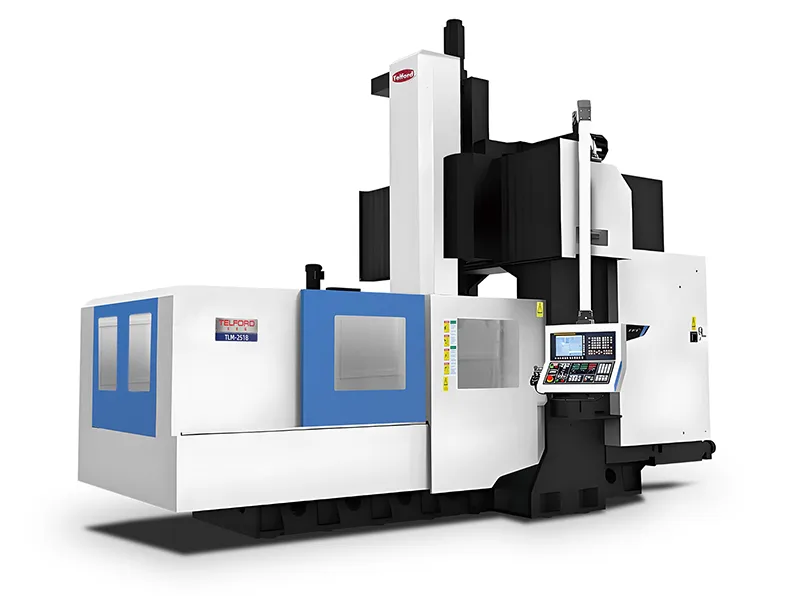
For workpieces requiring broader milling capability or heavier cutting in addition to drilling and tapping, a CNC vertical machining center may provide a more suitable balance of rigidity, machining capacity and production flexibility.
High-Precision Machining Empowers High-End Industrial Manufacturing
The medical device industry stands apart as one of the most stringent and critical sectors, where even the smallest deviation can have life-altering consequences for patients. It demands extreme precision in every component, as this precision directly translates to patient safety, treatment effectiveness, and the overall reliability of medical products. For medical device manufacturers, CNC Drilling and Tapping Centers are indispensable, delivering the ultra-tight tolerances (measured in micrometers) required for surgical instruments, implants, and diagnostic parts.
As we move deeper into 2026, the integration of smarter CNC controllers and vibration-dampening technologies will become the deciding factor for companies striving to stay ahead in an increasingly automated market. These advancements will further enhance efficiency, precision, and reliability, enabling manufacturers across industries—from medical devices to automotive—to meet evolving demands, reduce costs, and maintain a competitive edge in the global marketplace.