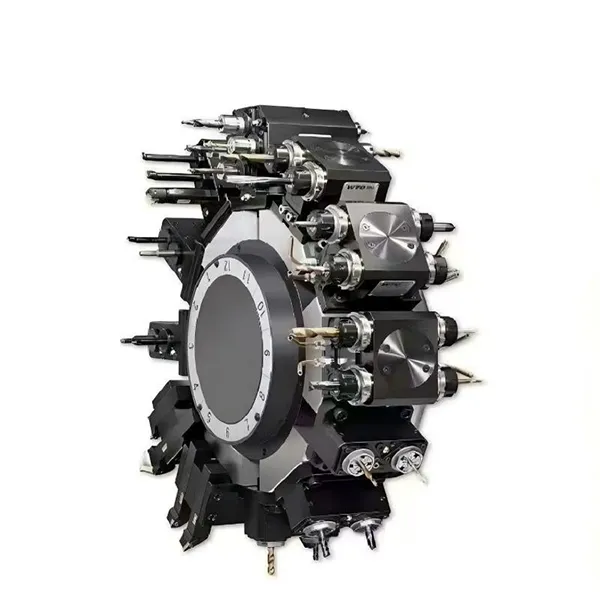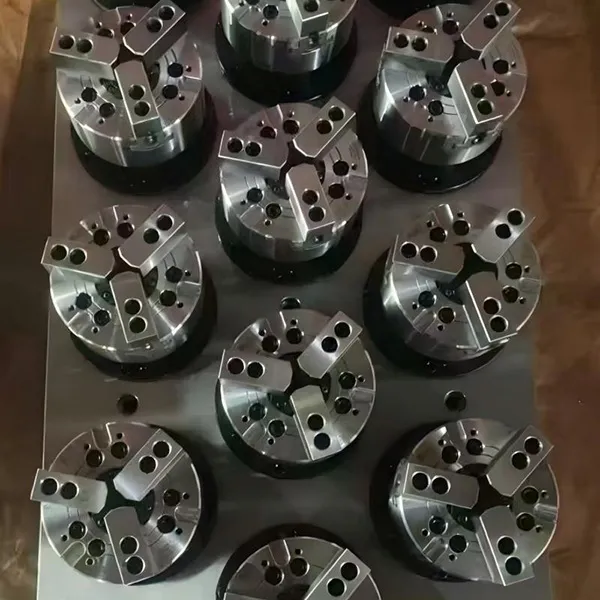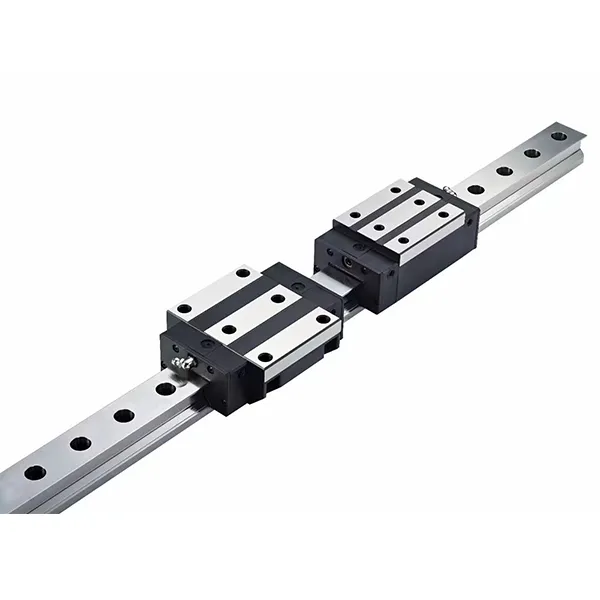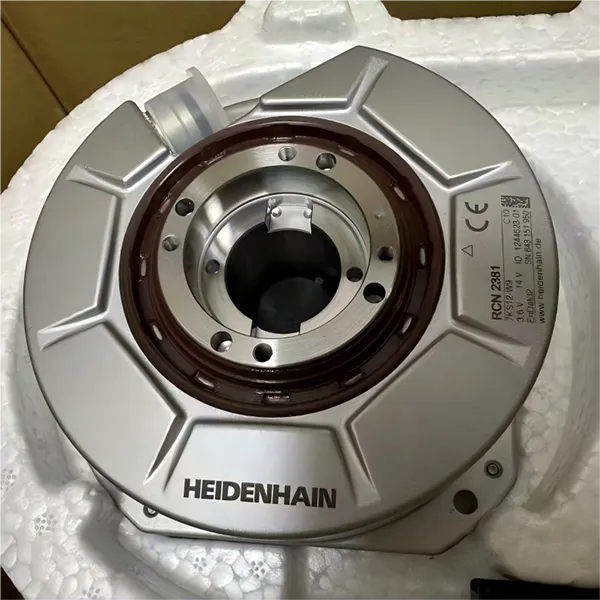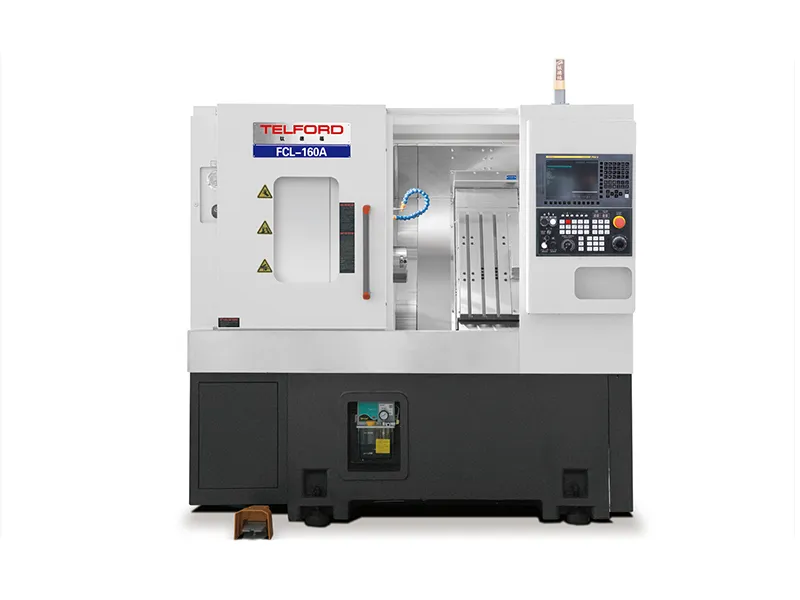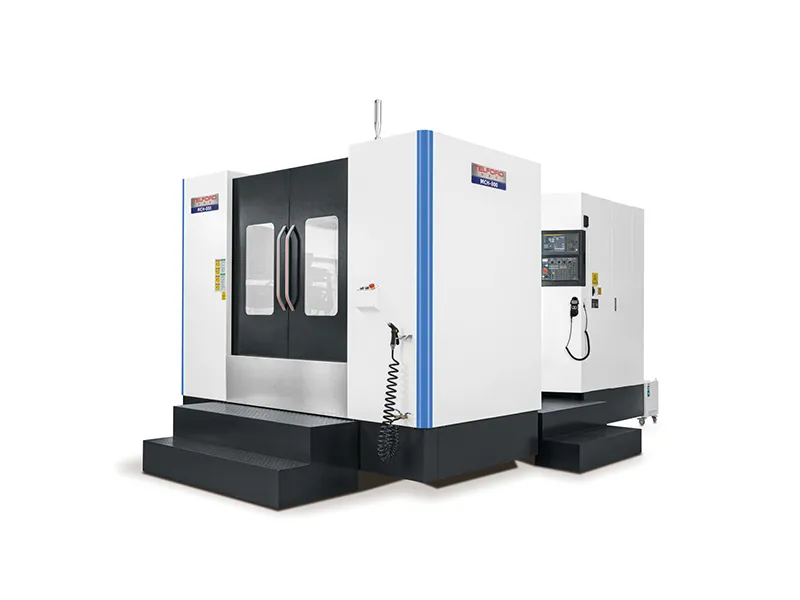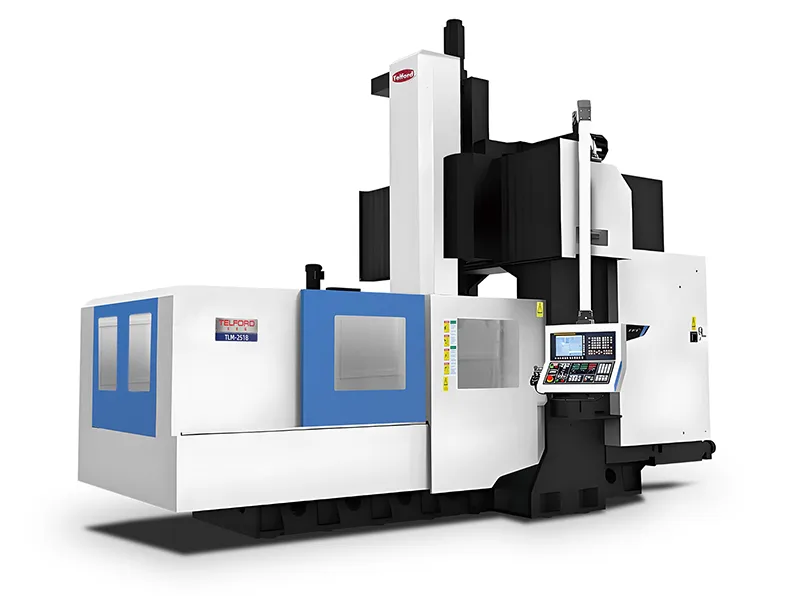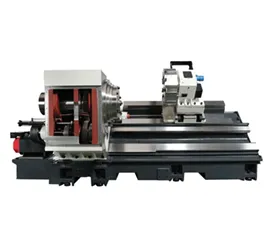
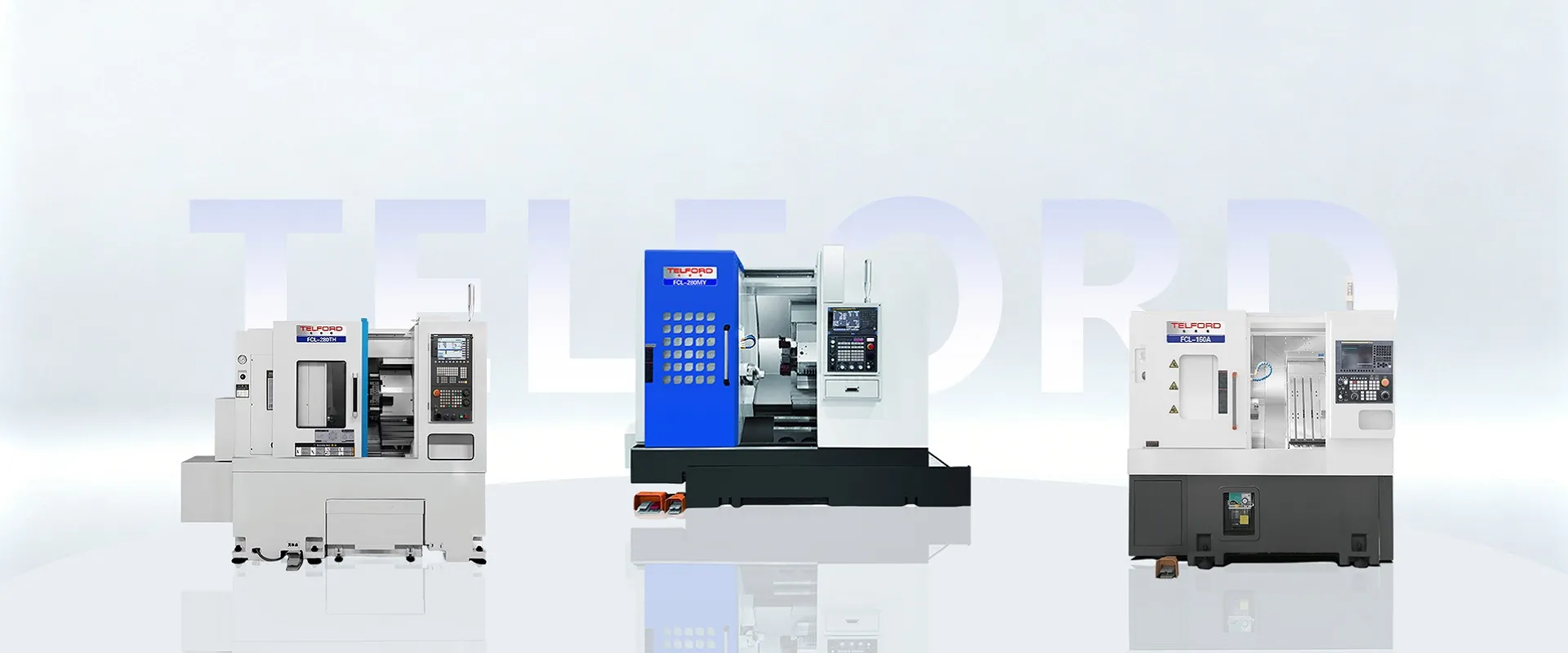
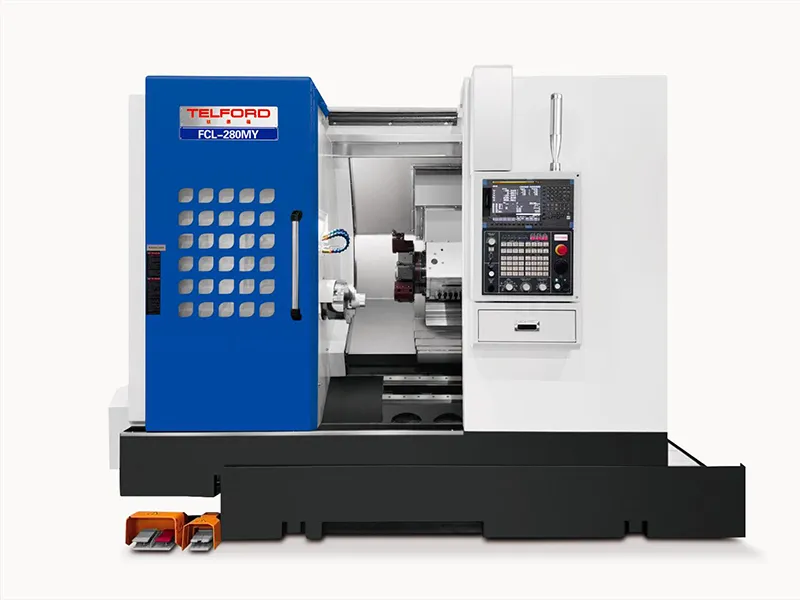
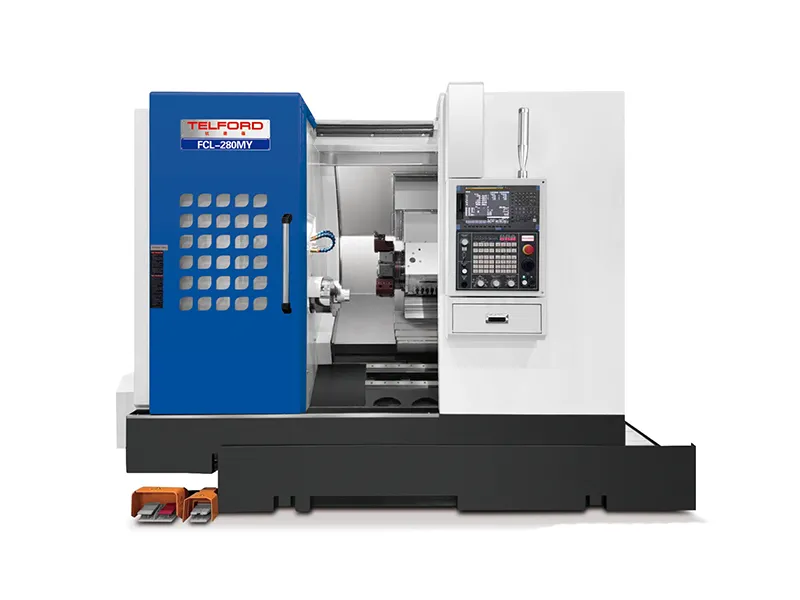
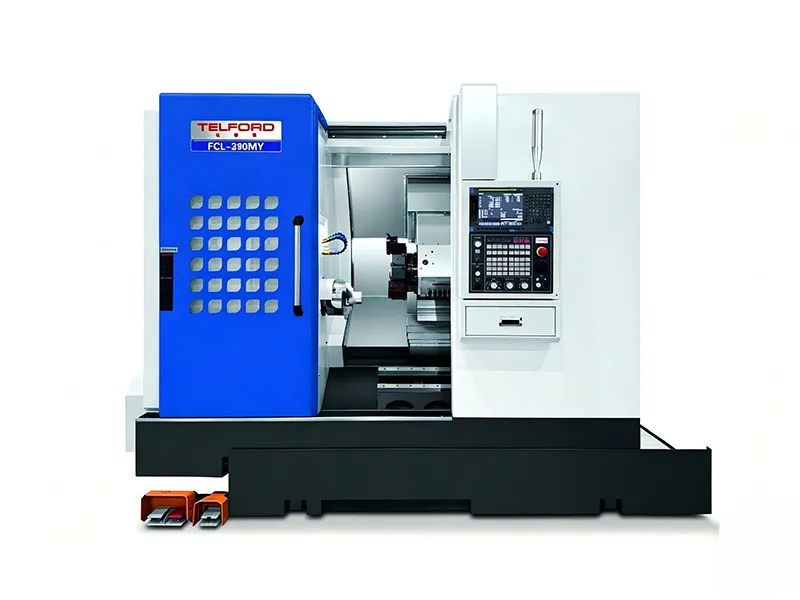
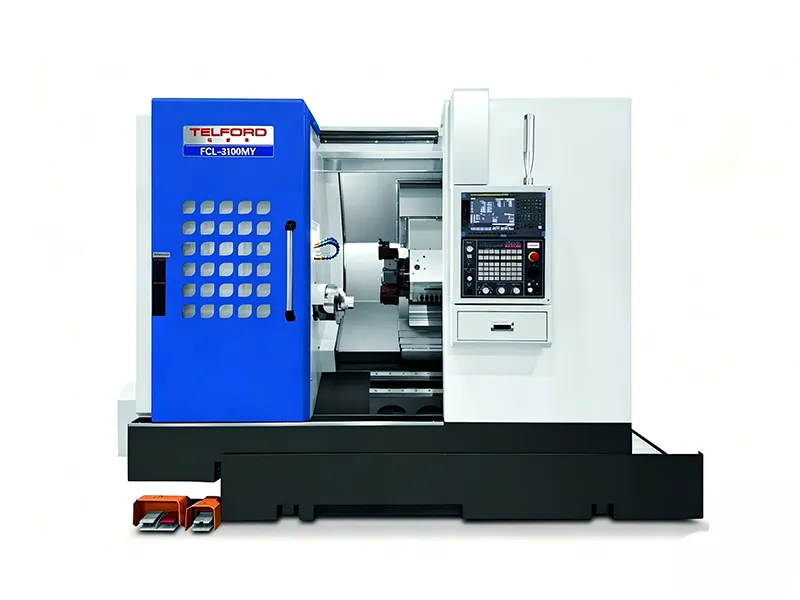
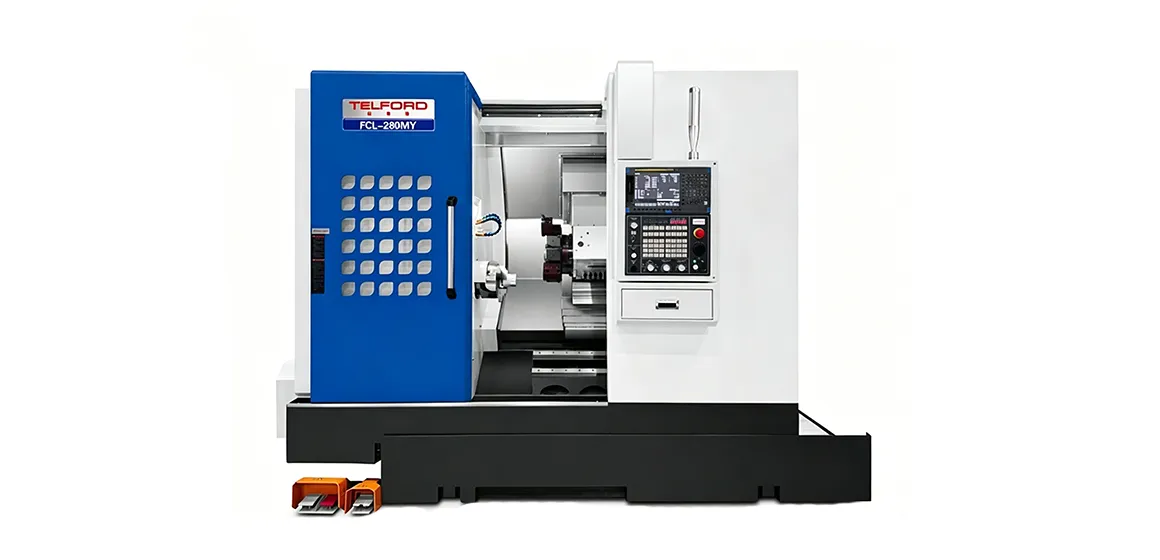
One-time clamping, complete multi-process machining.
High positioning accuracy, less cumulative error.
Reduce handling, improve overall efficiency.
| Item | Unit | FCL-280MY(Interpolation) | FCL-310MY |
| Max. swing diameter of bed | mm | 550 | 650 |
| Max.machining diameter | mm | 310 | 480 |
| X axis travel | mm | 230 | 280 |
| Z axis travel | mm | 630 | 650 |
| Y axis travel | mm | / | / |
| Max.spindle speed | rpm | 4500 | 3500 |
One-time clamping, complete multi-process machining.
High positioning accuracy, less cumulative error.
Reduce handling, improve overall efficiency.
CNC lathes offer high precision, consistent quality, and automatic operation. They reduce manual labor and ensure stable machining for complex parts in mass production.
CNC lathes can process metals like steel, aluminum, brass, and copper. They also handle some plastics and alloys used in mechanical and automotive components.
CNC lathes use programmed commands for automatic control, while manual lathes rely on hand operation. CNC models are faster, more accurate, and better for complex work.
Regular maintenance includes cleaning, lubricating moving parts, checking tools, and calibrating systems. This extends lifespan and keeps machining accuracy stable.
Yes, with multi-axis functions and special tooling, CNC lathes produce complex shapes like threads, grooves, tapers, and curved surfaces efficiently.
With proper maintenance and normal use, a CNC lathe can work reliably for 10–15 years. Heavy-duty use may shorten life but remains long-term equipment.