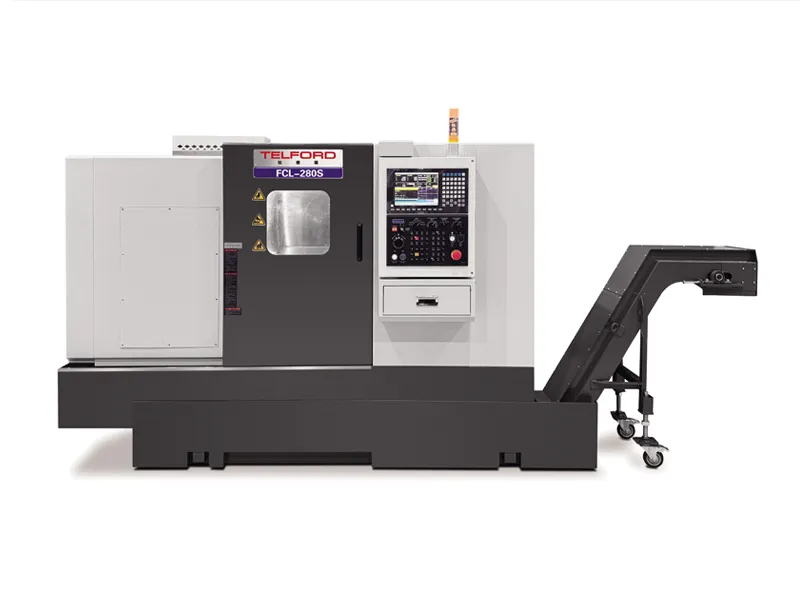
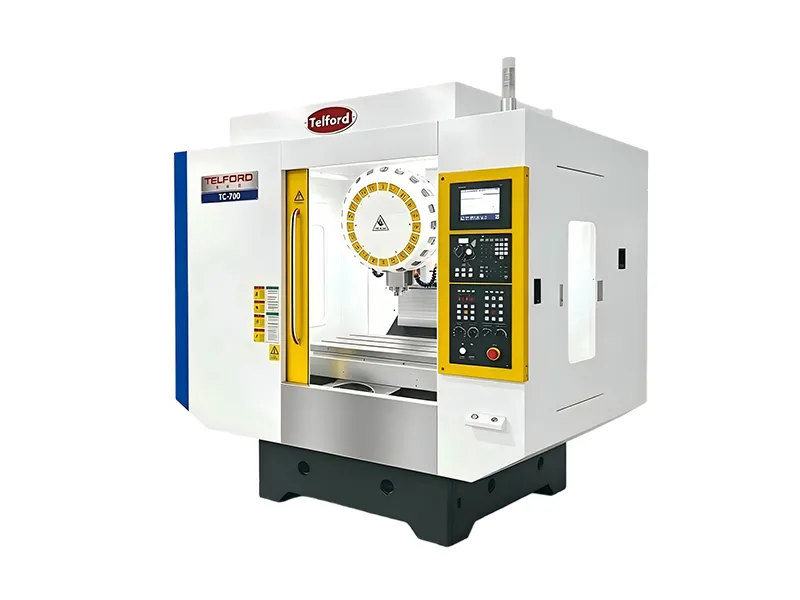
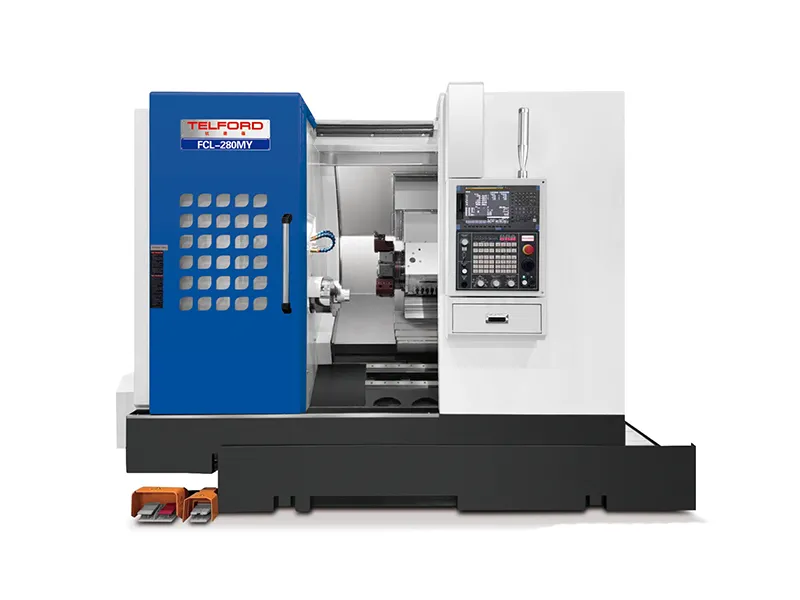
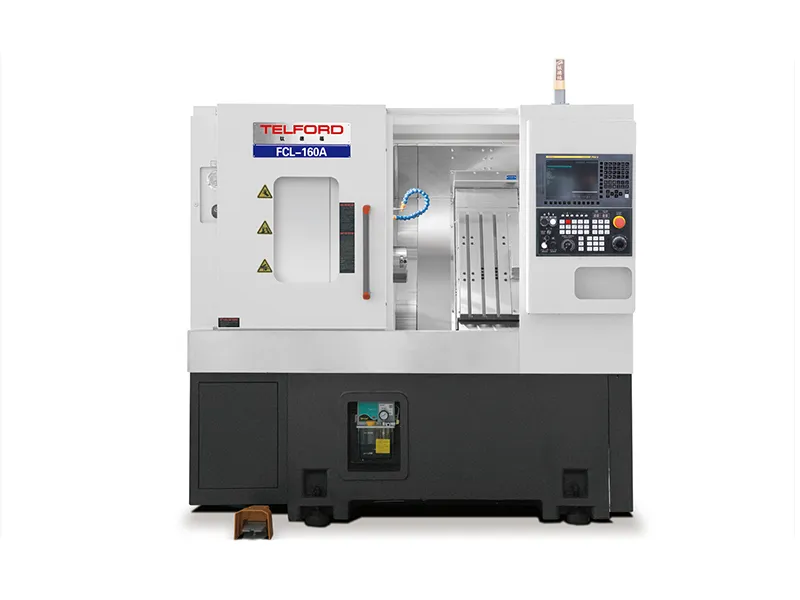
For complex shaft and disc parts, the choice between a CNC lathe and a turn-mill machine depends on how many processes the part requires in one production route. A CNC lathe is suitable when the workpiece is mainly turned, such as shafts, sleeves, flanges, and disc-type components. A turn-mill machine is more suitable when the same part also needs milling, drilling, tapping, slots, flats, or off-center features. For B2B buyers comparing a Horizontal CNC Lathe with a Milling and turning machine, the key question is not which machine is more advanced, but which one can reduce process steps, maintain accuracy, and fit the real production line.
What Is the Difference Between a CNC Lathe and a Turn-Mill Machine?
A CNC lathe is a computer-controlled turning machine used to process rotational metal parts through operations such as turning, facing, boring, threading, and grooving. It is designed for stable, repeatable machining where the workpiece rotates and the cutting tool removes material according to the programmed path.
A turn-mill machine combines turning with milling-related functions in one setup. Telford’s Turn-Mill Machine category is positioned for multi-process machining, integrating turning, milling, drilling, and tapping to reduce clamping times and improve efficiency for complex parts.
The difference is therefore about process coverage. A CNC lathe focuses on turning efficiency and dimensional stability. A turn-mill machine focuses on completing more features without moving the workpiece to another machine.
| Selection Factor | CNC Lathe | Turn-Mill Machine |
|---|
| Main Process | Turning-based machining | Turning plus milling, drilling, and tapping |
| Typical Parts | Shafts, discs, sleeves, flanges, turned parts | Complex shaft and disc parts with side holes, flats, slots, or combined features |
| Clamping Requirement | May need secondary setup for milling features | Can reduce secondary clamping depending on part structure |
| Buying Focus | Rigidity, spindle stability, tool station, turning accuracy | Process integration, powered tooling, multi-process capability, setup reduction |
| Best Fit | Stable batch turning | Complex parts requiring multiple operations in one route |
How Should Buyers Choose for Complex Shaft and Disc Parts?
Choose a CNC lathe when the part is mainly rotational and the process route is clear. If the drawing includes outer diameter turning, inner boring, threading, grooves, tapers, or end-face machining, a CNC lathe can be a practical and cost-controlled solution. Telford’s CNC Lathe range includes multiple models for precision turning applications, and buyers can compare machine structure, travel range, spindle performance, and tool station needs according to project requirements.
Choose a turn-mill machine when the part cannot be completed efficiently by turning alone. For example, a shaft may need keyways, cross holes, or side milling. A disc part may require bolt-hole patterns, slots, or non-rotational features. If these features are processed on separate equipment, every transfer adds handling time and may introduce positioning variation.
For procurement teams, a simple selection logic works well: if 80–90% of the process is turning, start with a CNC lathe. If the part requires repeated movement between a lathe, milling machine, and drilling process, evaluate a turn-mill machine. If the part is milling-heavy rather than turning-heavy, a machining center may be more suitable.
Buyers should prepare typical part drawings before requesting a quotation. Useful information includes workpiece diameter and length, material, tolerance target, surface finish requirement, annual or monthly volume, current machining bottlenecks, and whether secondary clamping is causing quality or delivery problems.
When Should a Horizontal CNC Lathe, Milling and Turning Machine, or Machining Center Be Considered?
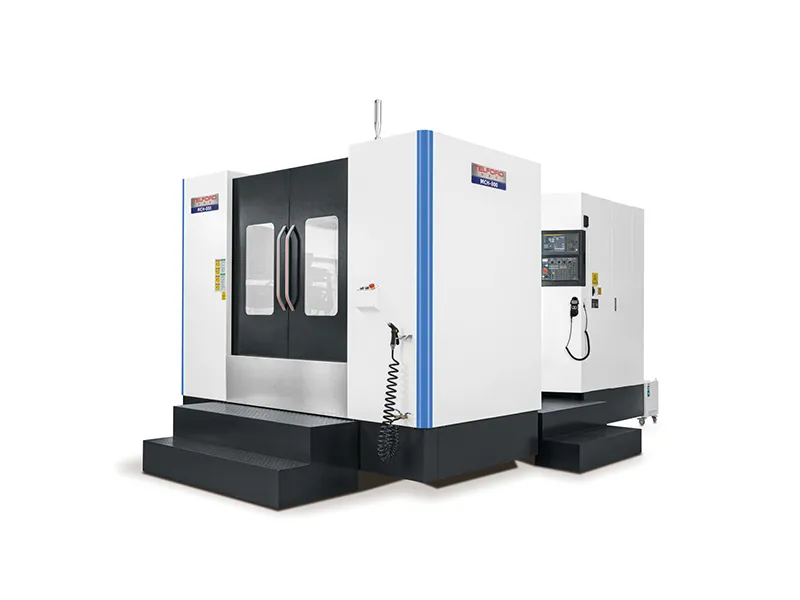
A Horizontal CNC Lathe is generally considered when the workpiece is centered on stable turning performance. For shaft and disc parts, buyers should pay attention to machine rigidity, spindle stability, tool layout, chuck configuration, and repeatability over long production cycles. This is especially important when the part is heavy, the material is difficult to cut, or the batch requires consistent dimensional control.
A Milling and turning machine should be considered when one setup can replace several process steps. The value is not only shorter handling time. It can also help reduce cumulative error caused by repeated clamping. Telford’s turn-mill machines are designed around single clamping and multi-process machining, which makes them relevant for complex shaft and disc components that combine turning with drilling, tapping, or milling features.
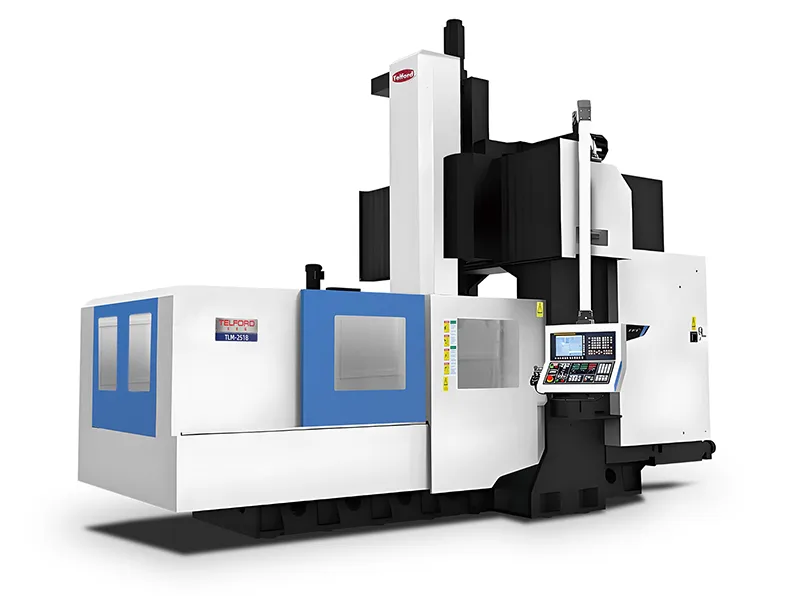
Some parts, however, should not be forced into a lathe-based process. If the workpiece is mainly prismatic, mold-related, plate-shaped, or requires extensive multi-face milling, a Vertical machining center, Horizontal machining center, Five-axis machining center, or Gantry machining center may be a better direction. If the main requirement is high-volume hole-making and tapping rather than turning, a Drilling center may also need to be evaluated.
Industry application can also guide selection. In Telford’s CNC turning machine applications for vessel industry, turning machines are applied to marine-related components such as propeller shafts, gearbox parts, hydraulic parts, and other heavy-duty vessel components. These applications show why rigidity, stable machining quality, and long-cycle reliability matter when parts are large, complex, or safety-related.
Conclusion
A CNC lathe is the right direction when complex shaft and disc parts are still mainly turning-based. A turn-mill machine becomes more suitable when the same part requires turning, milling, drilling, or tapping in one production route. Buyers should compare the real process sequence, not only the machine category. Workpiece geometry, clamping times, tolerance control, batch volume, and future part variety should all influence the decision.
For factories, component manufacturers, and machine tool dealers planning a new turning line or upgrading mixed-part production, Telford can help review typical drawings and recommend a practical CNC lathe or turn-mill configuration based on application needs.
Share your part requirements with the Telford team to discuss a more efficient machining solution for your production line.