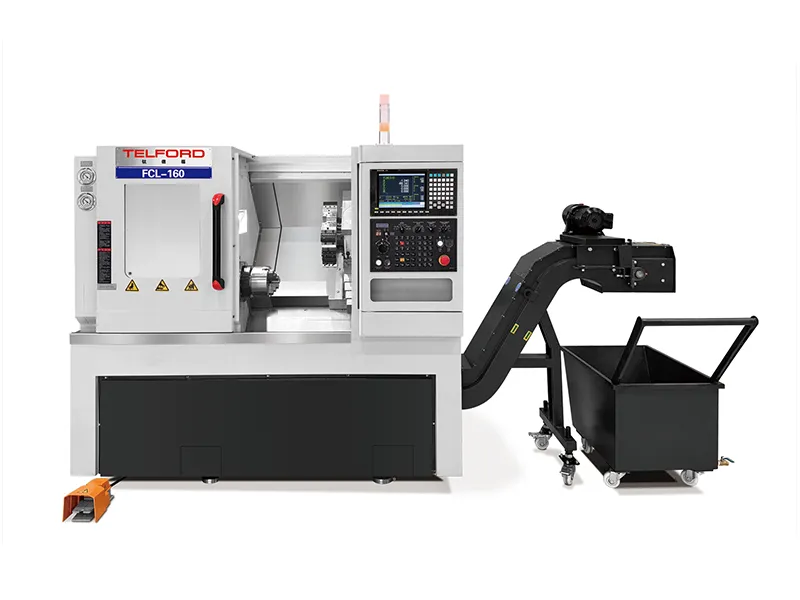
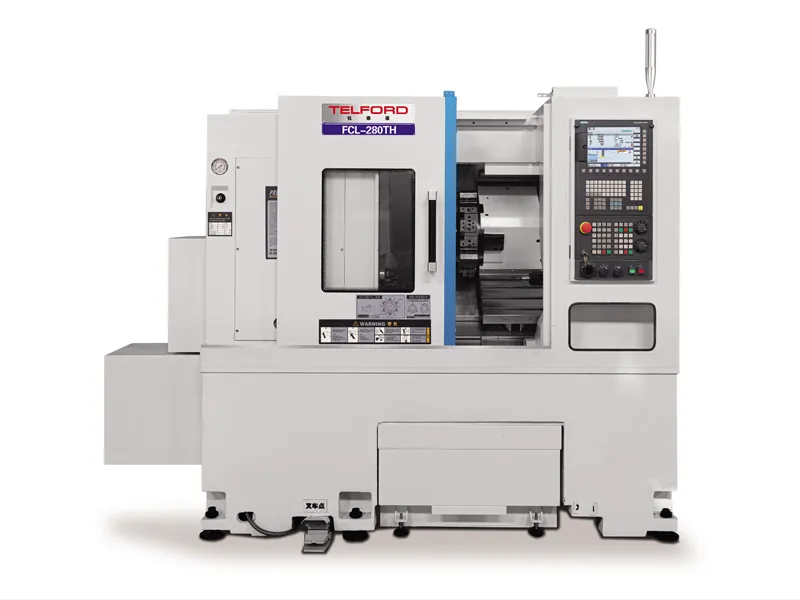
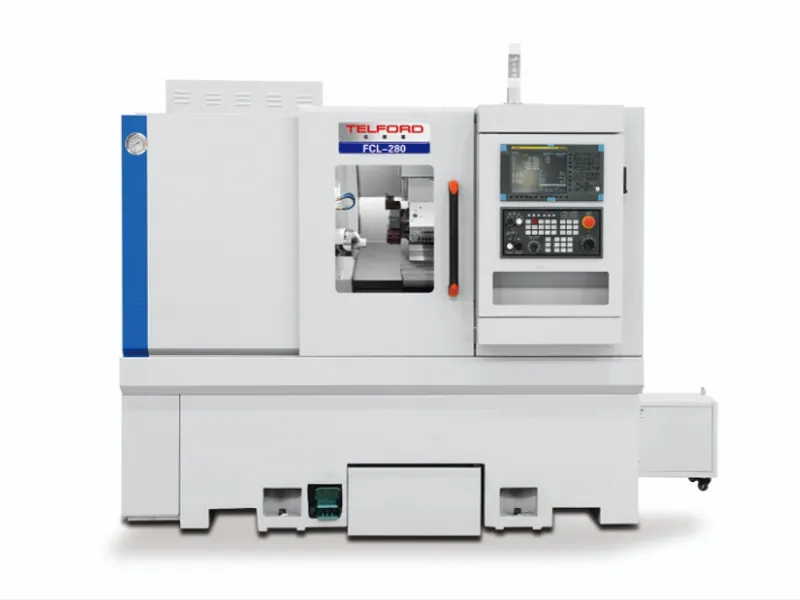
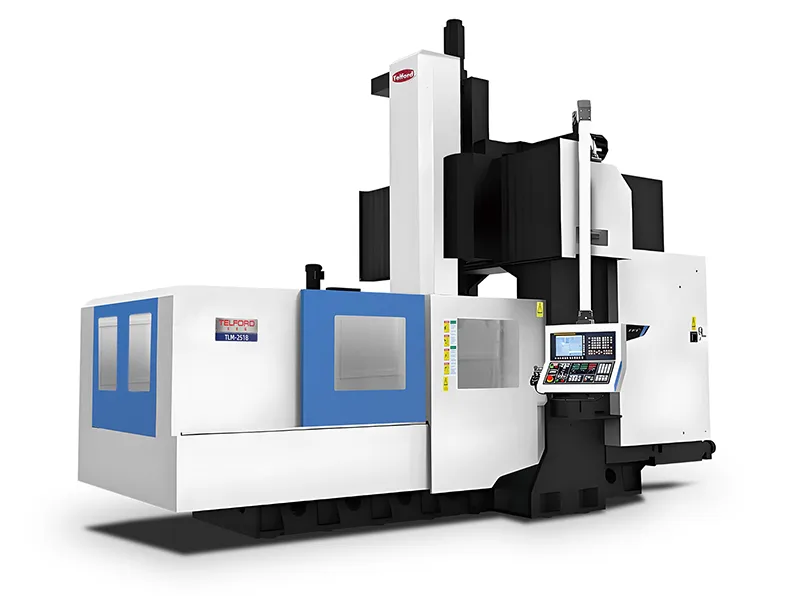
The medical device industry stands apart as one of the most stringent and critical sectors, where even the smallest deviation can have life-altering consequences for patients. It demands extreme precision in every component, as this precision directly translates to patient safety, treatment effectiveness, and the overall reliability of medical products. From surgical instruments that require pinpoint accuracy to perform delicate procedures, to implants that must integrate seamlessly with the human body, and diagnostic parts that deliver precise readings for accurate diagnosis, every component plays a vital role in healthcare outcomes. Recognizing the gravity of these requirements, our advanced machining equipment is specifically engineered to provide tight-tolerance machining for key medical device parts, ensuring that each component meets the highest standards of quality and performance.
At the core of our capabilities is a commitment to precision, supported by state-of-the-art machining equipment and advanced manufacturing processes. Our solutions are tailored to the unique needs of medical device components, including surgical instruments such as scalpels, forceps, and arthroscopic tools, implants like hip replacements, knee prosthetics, and dental implants, as well as diagnostic parts for imaging equipment, blood analyzers, and monitoring devices. Each of these components requires ultra-tight tolerances—often measured in micrometers—to ensure proper functionality, biocompatibility, and long-term durability, especially for implants that remain in the human body for years.
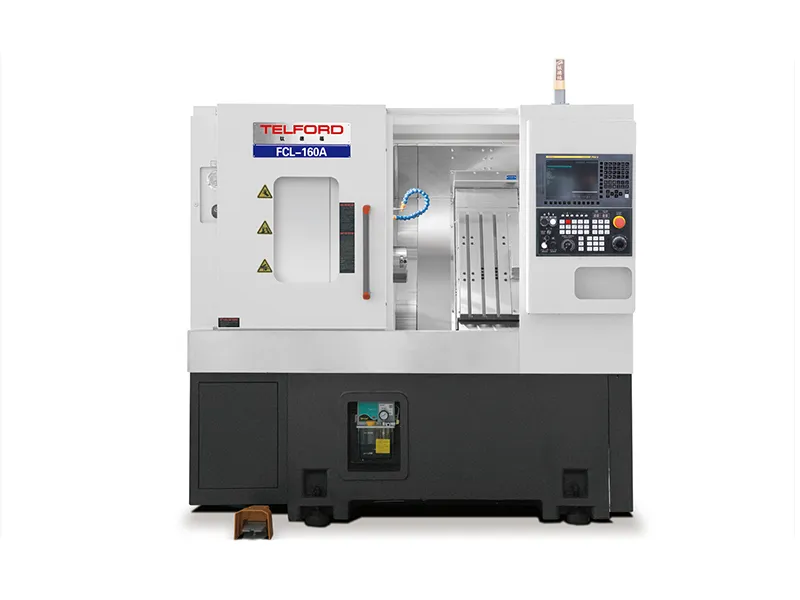
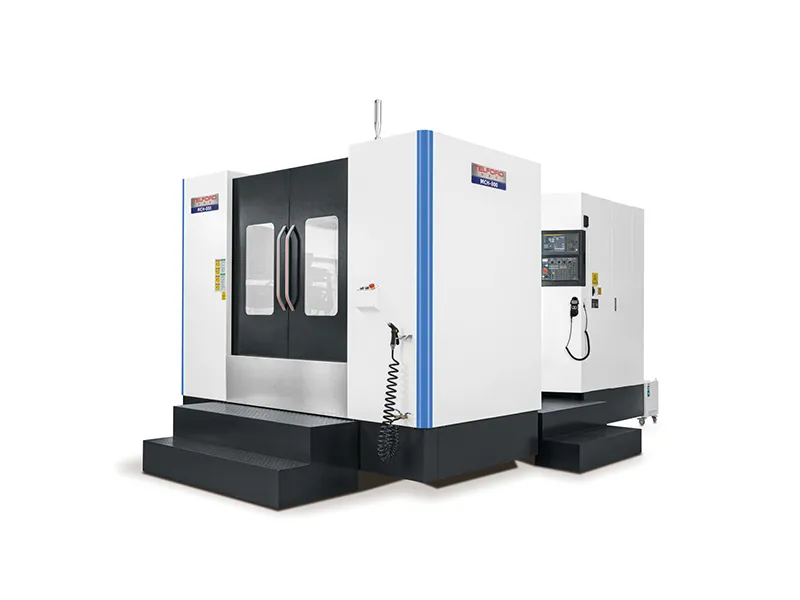
To achieve this exceptional precision, we leverage cutting-edge machining processes, including CNC milling, turning, and grinding, paired with real-time process monitoring and control systems. These advanced technologies allow us to maintain consistent accuracy across every part, eliminating errors and ensuring uniformity in production. Complementing our machining capabilities is a rigorous inspection protocol, where each component undergoes multiple rounds of testing—from dimensional checks to surface finish analysis—to verify compliance with design specifications. This uncompromising focus on quality ensures that our parts meet the most rigorous industry regulations, including ISO 13485, FDA guidelines, and other global medical device standards.
We go beyond mere machining by fostering close collaboration with medical device designers and manufacturers. By working hand-in-hand with design teams, we help optimize component designs for manufacturability, reducing production costs while maintaining or enhancing performance. Additionally, we specialize in processing medical-grade materials—such as titanium, stainless steel, and biocompatible polymers—that meet the strict biocompatibility and corrosion-resistance requirements of medical applications. Our expertise in handling these specialized materials ensures that the finished parts are safe for use in clinical settings, minimizing the risk of adverse reactions and ensuring long-term reliability.
By combining high-precision machining, strict quality control, regulatory compliance, and collaborative design optimization, we empower medical device manufacturers to produce safe, reliable, and effective products. Our commitment to excellence supports the advancement of healthcare, helping to improve patient outcomes and enhance the quality of medical care worldwide. As the medical device industry continues to evolve, we remain dedicated to innovating our processes and equipment to meet the ever-growing demands for precision and reliability.